Practical help. Patient progress. A better bond.

Good dogs. Real-life challenges.

Small steps.
Better behavior.
A happier bond.

Barking at the window. Pulling on walks. Chewing your favorite shoes. Start with practical, kind guidance that makes the next step clearer.

Less pressure. More understanding. One step at a time.

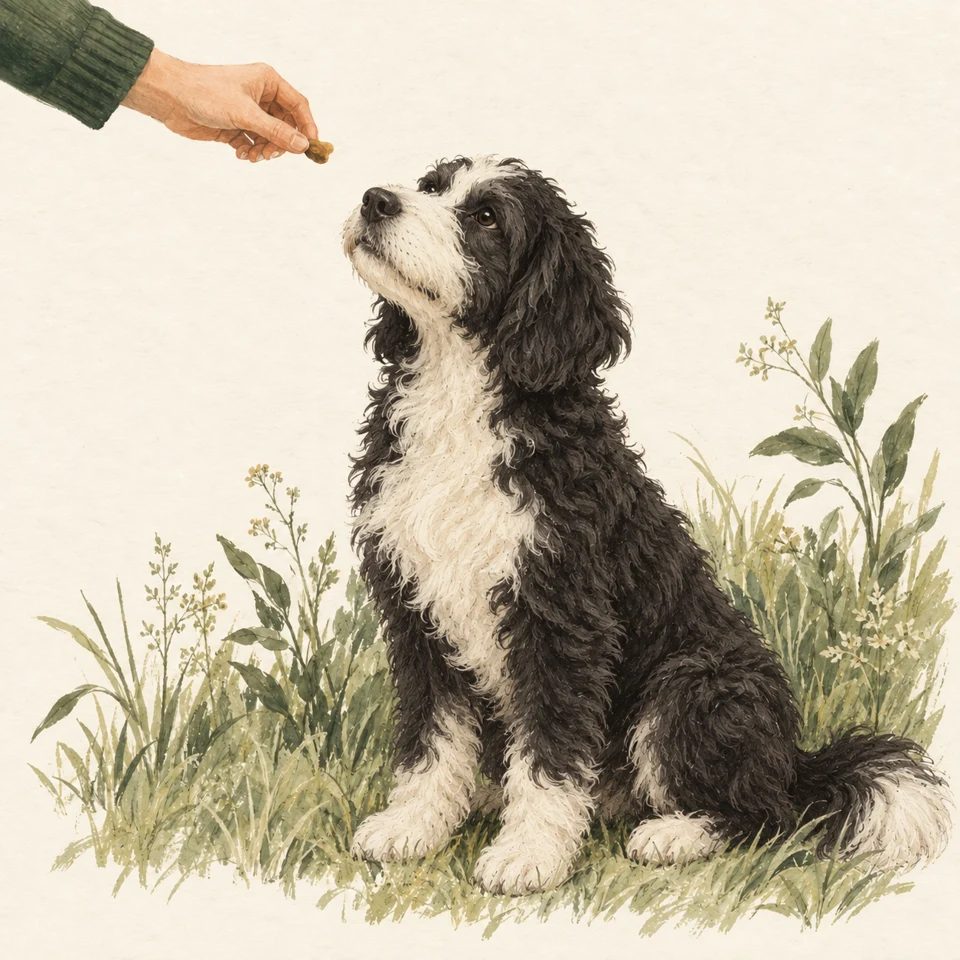
Illustration of a black-and-white mini Bernedoodle calmly looking toward a hand offering a treat
Every good habit starts with a little patience.
Reward-based guidance Clear, useful starting points Honest course reviews

Start where you are

What’s tricky right now?

Choose an everyday challenge for a few practical steps you can start with.

A little more transparency

Helpful advice.
Honest boundaries.

You deserve to know what a recommendation is based on—and what it cannot tell you.

Read our review method
01

Start with the source

We use the provider’s public information for course details and link to the material behind our overview.

02

Separate facts from judgment

We explain our assessment, disclose what we haven’t tested, and avoid promises about your dog’s results.

03

Keep your dog’s needs first

We favor reward-based guidance and acknowledge when individual professional support is the better next step.

A little understanding, a useful next step

Good habits start here.

Short, practical reads. Open a guide to see the first steps and further reading.

01

Everyday behavior · Quick guide

Before you ask for quiet, ask why.

A helpful first step for a dog who barks at the world outside.

Read the guide
  1. Notice the pattern. Write down what happens just before the barking: a passerby, a sound, or being left alone.
  2. Make things easier. If the window is a trigger, reduce the view and offer a quieter resting spot.
  3. Reward calm moments. Keep practice gentle and avoid shouting. Fearful or persistent barking needs individual support.

Further reading: RSPCA guidance on barking. Sudden changes or distress are a reason to speak with your vet.

Considering a course? Read our review →
02

Walks & manners · Quick guide

A little slack goes a long way.

Start loose-leash practice somewhere your dog can focus.

Read the guide
  1. Begin somewhere quiet. A low-distraction space makes it easier to practice being near you.
  2. Reward a loose leash. Mark and reward a few relaxed steps by your side. Build up gradually.
  3. Pause when it tightens. Wait for slack before moving again. Avoid yanking the leash and keep sessions short.

Further reading: RSPCA guidance on loose-lead walking. For lunging, fear, or safety concerns, get qualified help.

Considering a course? Read our review →
03

Life at home · Quick guide

Right instinct. Wrong object.

Redirect chewing without turning it into a confrontation.

Read the guide
  1. Manage the space. Put shoes, cables, and anything dangerous out of reach.
  2. Offer an appropriate option. Choose a chew suited to your dog’s size and chewing style. Supervise and remove damaged items.
  3. Encourage the choice you want. Calmly redirect to a suitable chew and reward engagement. Avoid chasing or punishing.

Further reading: Blue Cross guidance on chewing. Contact your vet promptly if your dog may have swallowed something dangerous.

Considering a course? Read our review →

A few common questions

You don’t have to
figure it all out today.

Start small. Stay curious about your dog. Get extra help when you need it.

Where should I start with a behavior problem?
Choose one specific situation, notice what happens before it, and make the setup easier for your dog. The short guides above offer first steps. If a change is sudden or your dog seems distressed, speak with your vet.
What does reward-based training mean?
It means using something your dog values to encourage a behavior you want to see again. The American Veterinary Society of Animal Behavior recommends reward-based methods. That is general training guidance, not an endorsement of this course.
Do I need to buy a course to get started?
No. The free guides above and their linked resources are useful starting points. A course may appeal if you prefer a set learning path. Our research-based review can help you decide what to check before buying.
When is individual help a better choice?
For aggression, bite risk, severe fear, or distress when left alone, contact a vet and an appropriately qualified behavior professional. A general online course cannot assess your dog or create an individual treatment plan.

Curious about the course?

Take a clear look at the details before you decide.

Explore the review